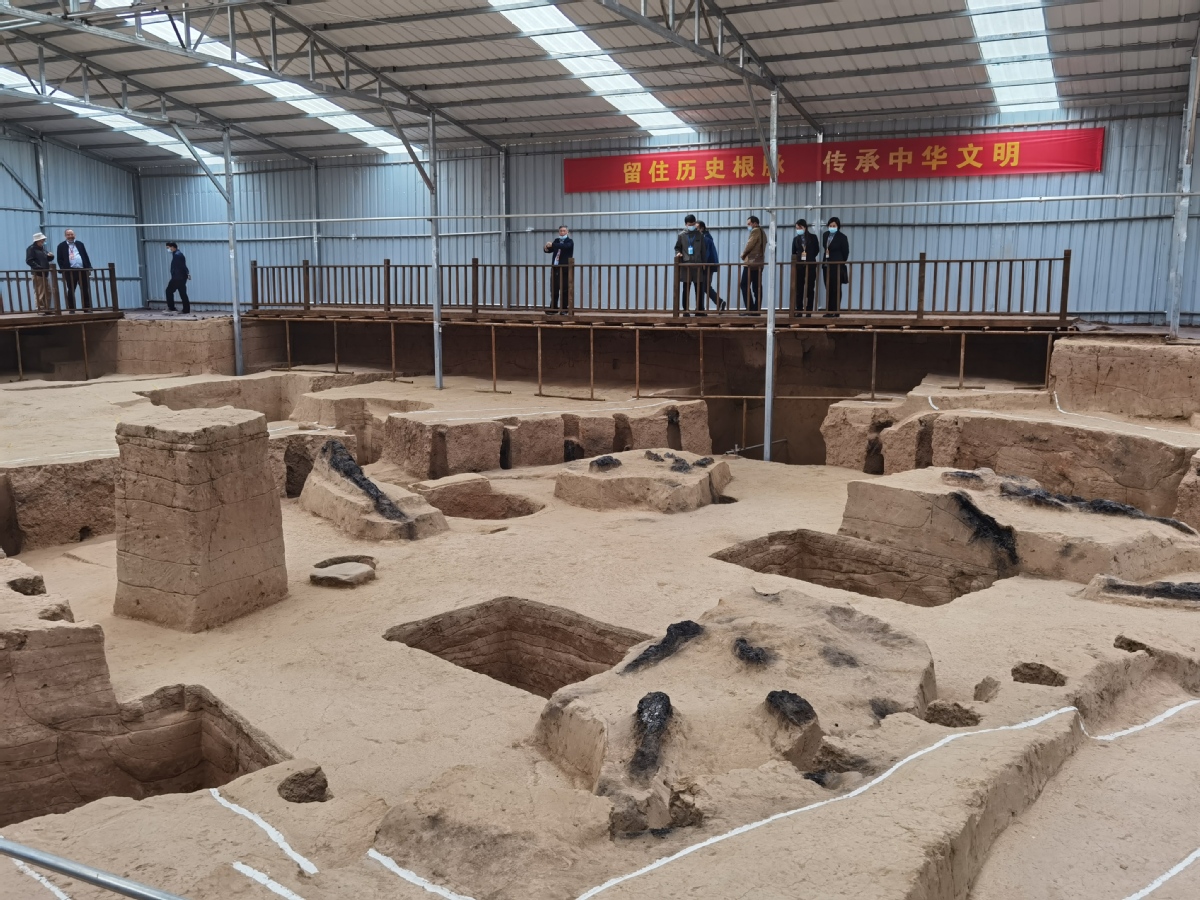
Beiyangping Site
Introduction
The Beiyangping Site, located near the Xipo site in Lingbao, Henan province, is part of the Yangshao Culture, a Neolithic archaeological culture known for its painted pottery. This site, along with others in the region, plays a significant role in understanding the prehistoric period of China, dating back 5,000 to 7,000 years. The Yangshao Culture, often considered the first named prehistoric archaeological culture in China, emerged from excavations led by Swedish scholar Johan Gunnar Andersson in the early 20th century. These findings marked the beginning of modern Chinese archaeology and sparked interest in exploring the origins of Chinese civilization.
Archaeological Discoveries
One of the most remarkable findings at the Beiyangping Site is the carbonized remains of wooden columns and beams from large architectural ruins with surrounding corridors. These structures are believed to have been used for significant rituals or as tribal assembly halls rather than ordinary dwellings. The discovery of these "big houses" provides insight into prehistoric architecture in China and reflects a highly developed society.
In addition to architectural remnants, the site has yielded fibroin samples from human remains, suggesting that the bodies were possibly wrapped in silk. Analysis of earthen blocks from the architectural foundations showed they were constructed from materials similar to modern concrete. Further, starch granules and yeast found in pots provide evidence of alcohol consumption, likely produced from millet, rice and other plants.
Cultural Significance
The Beiyangping Site is a testament to the cultural and historical significance of the Yangshao Culture. The painted pottery unearthed from this culture is a defining feature, often described as "the first artistic wave in the prehistoric period of China". These pottery pieces, adorned with hand-drawn patterns and designs, provide clues to the belief systems and cultural practices of the time. The influence of Yangshao painted pottery extended beyond the region, fostering the development of a unified cultural identity that contributed to the foundation of Chinese civilization.
The designs on the pottery, including birds, fish, human faces and flames, may have held symbolic meanings related to belief systems, rituals and ideologies. Scholars believe these patterns indicate a structured use of symbols, possibly related to the worshipping of jade and later inscriptions on bronzeware. The cultural integration observed through the spread of Yangshao pottery and practices laid the groundwork for the formation of an early-stage Chinese cultural circle, influencing subsequent civilizations.
Preservation Efforts
Preserving the Beiyangping Site and its artifacts is crucial for understanding the Yangshao Culture and its contributions to Chinese history. Archaeologists and researchers are employing modern technologies and interdisciplinary research methods to protect and study the site's findings. These efforts aim to reconstruct the historical context of the site and ensure that valuable cultural heritage is safeguarded for future generations.
The Beiyangping Site is a crucial component of the Yangshao Culture, offering valuable insights into China's Neolithic period. Through ongoing archaeological efforts, significant discoveries have been made, enriching our understanding of prehistoric architecture, cultural practices and societal evolution.








